Oil-Boom Enclave Above Long Beach
Listings in Signal Hill, CA
Welcome to Signal Hill, an independent 2.2-square-mile city surrounded by Long Beach, with a storied oil-boom past and panoramic hilltop views.
Signal Hill is a small, independent city in Los Angeles County that is completely surrounded by the city of Long Beach, about 20 miles south of downtown Los Angeles. It covers just 2.2 square miles and sits partly atop the hill that gives it its name. The city's history is inseparable from oil: on June 23, 1921, a wildcat well struck a major reservoir beneath the hill, and the Signal Hill field that followed became one of the most productive in the world, briefly blanketing the slopes in hundreds of derricks and helping California produce a quarter of the globe's oil. The city incorporated on April 22, 1924, at the height of that boom. Over the following century, Signal Hill transformed from an oilfield into a residential and commercial community, though petroleum infrastructure still intermingles with development across parts of the city. The hilltop, once dense with derricks, is now a public amenity: Hilltop Park sits at the summit with telescopes, public art, and views that reach the San Gabriel Mountains, downtown Los Angeles, and Santa Catalina Island. The city's population is about 11,800, and it is served by the Long Beach Unified School District, with two elementary schools within its limits. Despite its size, Signal Hill maintains its own government, police department, and park system, giving residents small-city services while living wholly inside the fabric of Long Beach, with its port, airport, transit, and cultural amenities all close by. Signal Hill suits people who want a self-governing, hillside community with views and a distinct identity — oil history included — without leaving the convenience and connectivity of one of Southern California's major coastal cities.
Get more information about Signal Hill
Houses in Signal Hill, CA

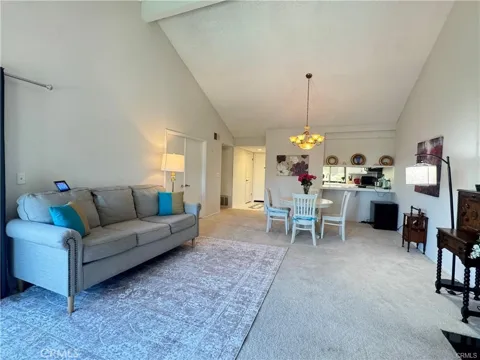
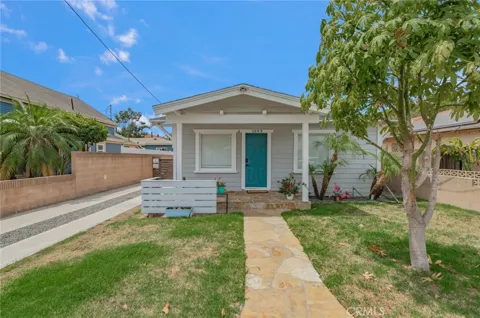
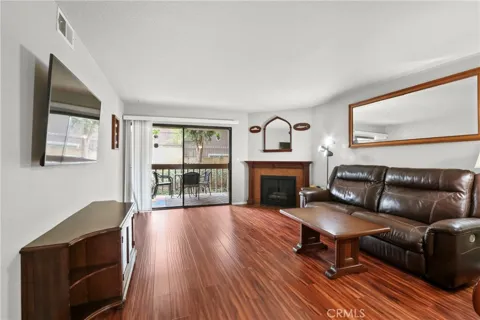
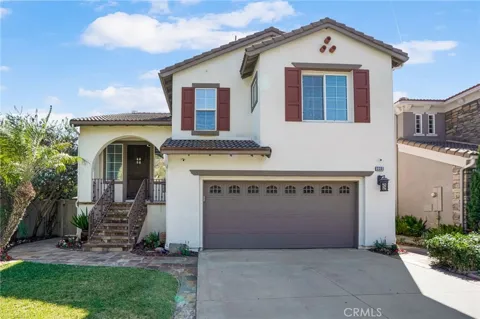
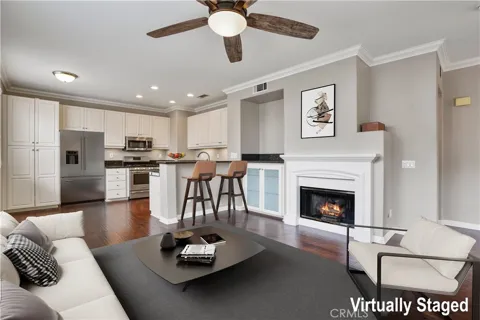
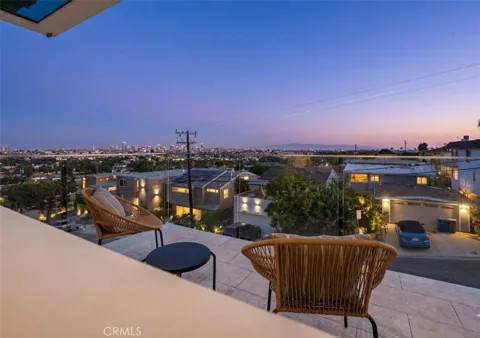
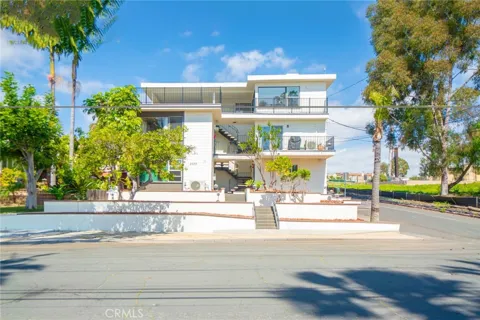
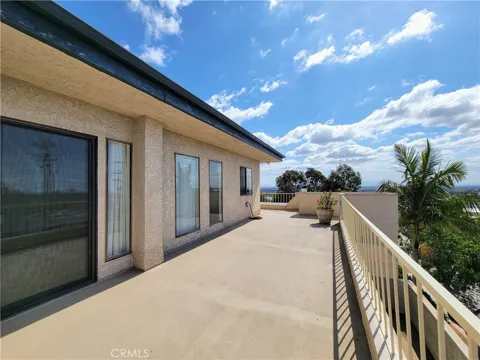
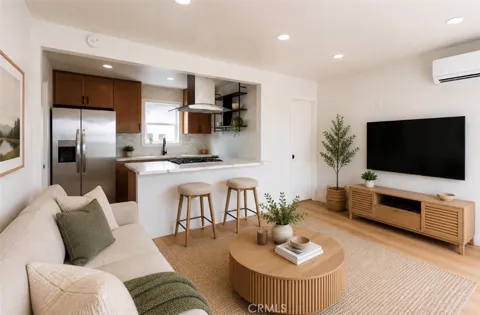

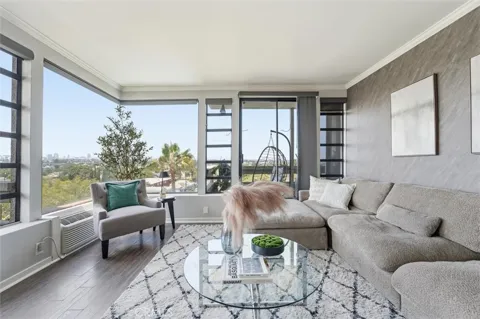
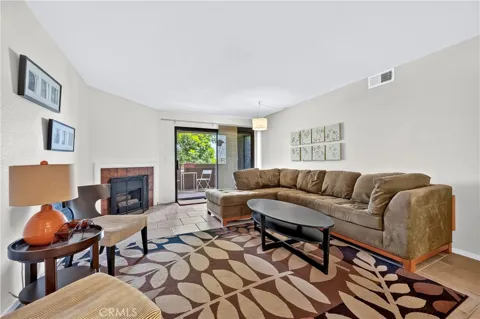
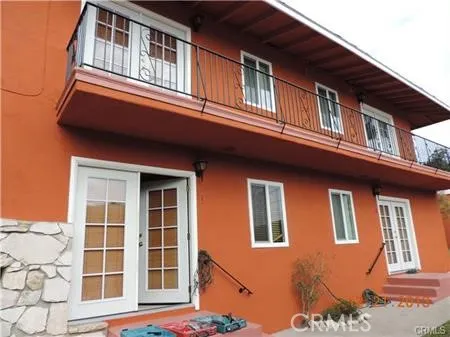
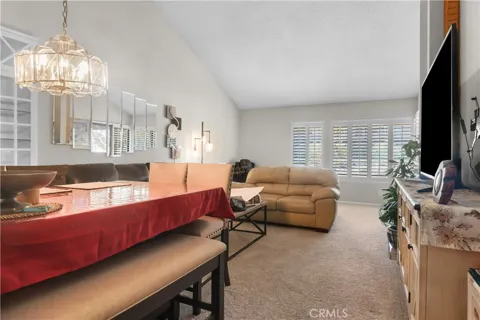
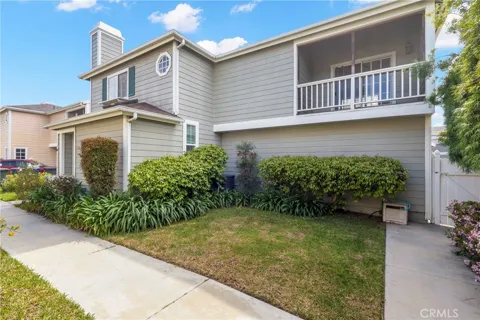
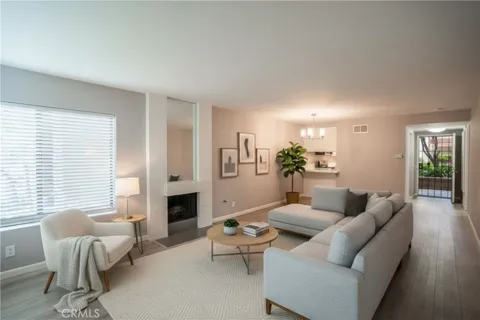
Townhouses & Duplexes in Signal Hill, CA
Condos & Apartments in Signal Hill, CA
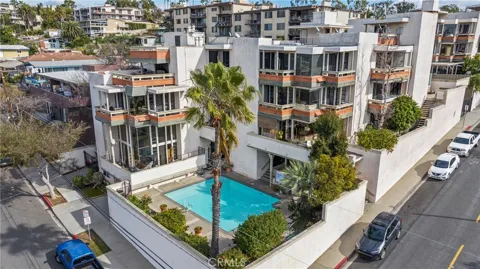
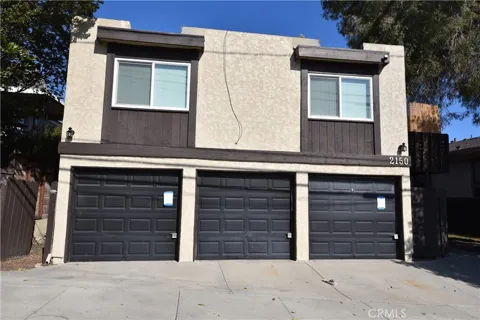
For Rent in Signal Hill, CA
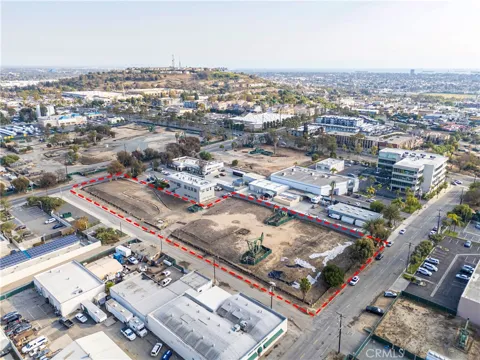
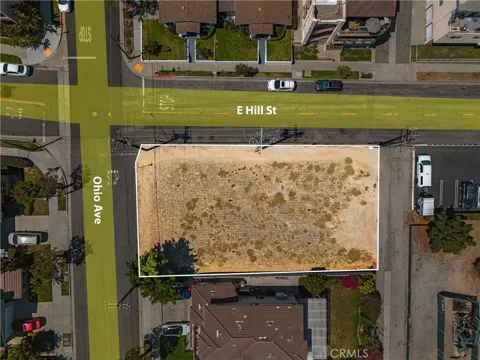
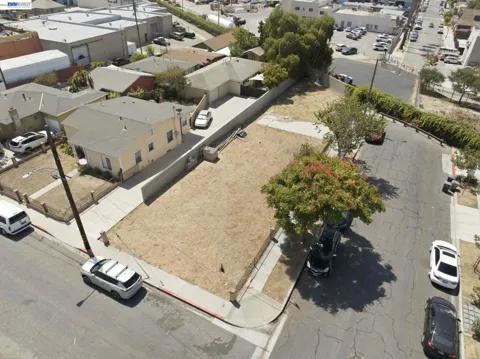
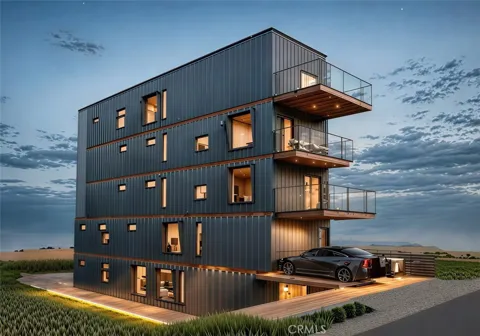
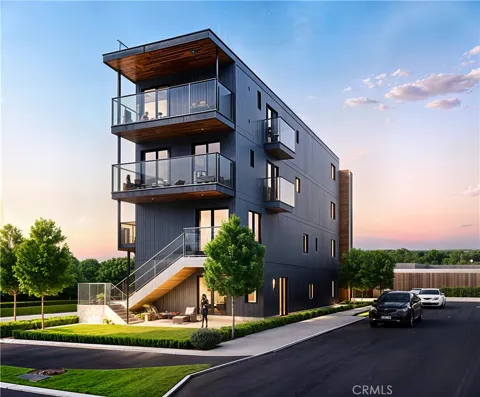
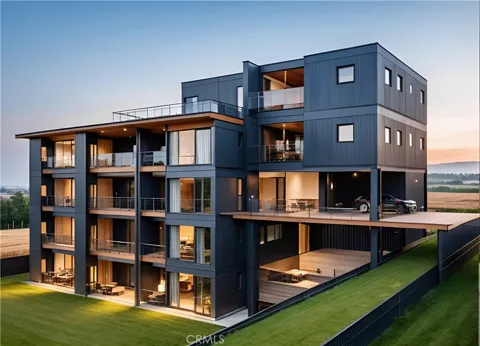
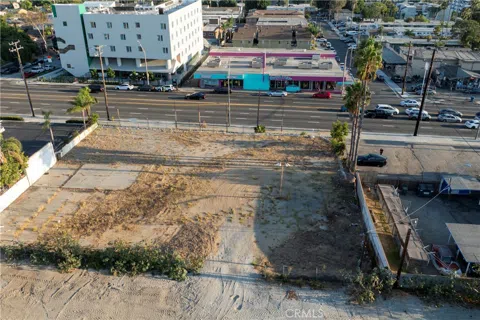
Lots & Land in Signal Hill, CA
MARKET SNAPSHOT
The Market at a Glance
How homes have been selling here over the last 90 days.
Price & Sales History
Market data reflects closed sales over the last 90 days and is provided for informational purposes.
Zip Codes
BROWSE BY ZIP
Browse listings by postal code in this area.
City Guide
About Signal Hill
Real Estate & Housing
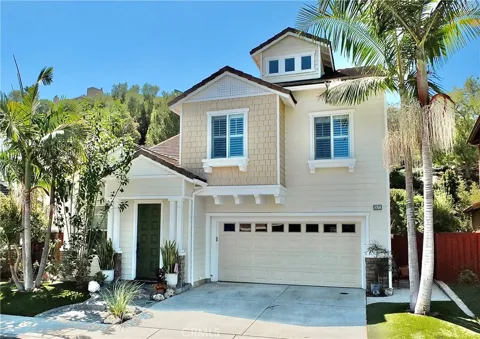
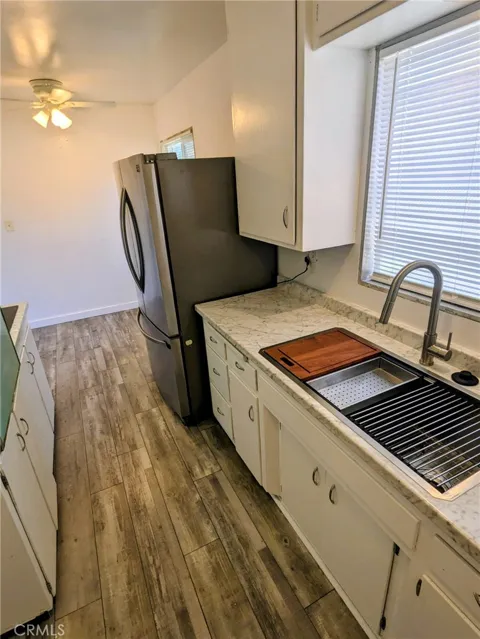
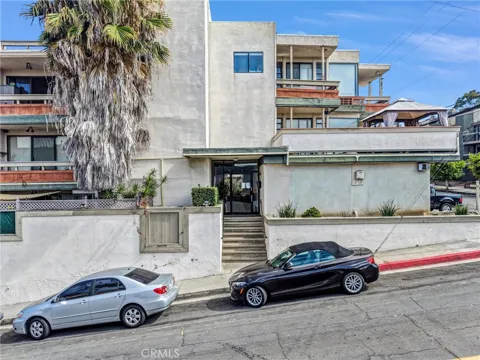
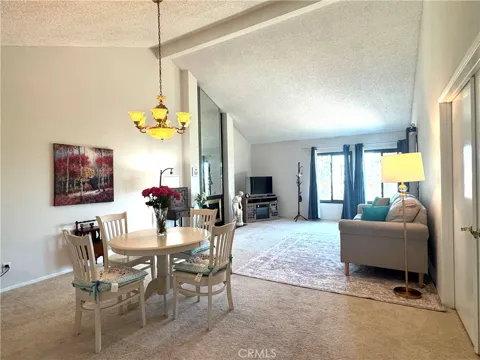
Signal Hill's housing stock is a compact mix shaped by its small size and oil-boom history. It includes mid-century single-family homes and bungalows on modest lots, many climbing the hill's slopes with views over Long Beach, alongside newer townhomes and condominium development that has added density along the city's commercial corridors. The 2.2-square-mile footprint means lots are generally smaller and the housing more tightly packed than in the surrounding Long Beach neighborhoods, though the hill's elevation gives many properties a rare view orientation. There is a growing share of attached and multifamily housing, reflecting the city's infill character. Buyers are drawn by centrality, hilltop views, and a self-governing small city's services, more than by large yards or new subdivisions.
Neighborhoods
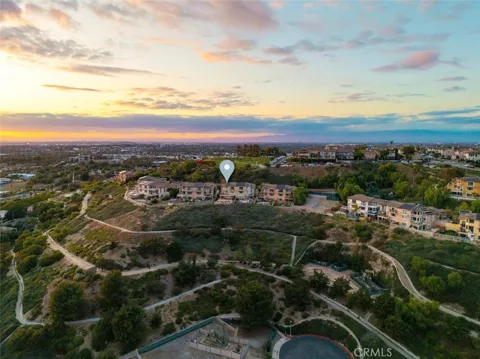
Signal Hill's residential pattern is compact and hill-centered rather than subdivided into large planned communities. Homes climb the flanks of the hill, with the densest and most established streets near the base and quieter, view-oriented properties higher up. The city blends seamlessly into Long Beach's adjacent districts — California Heights and Bixby Knolls to the north and west — so that neighborhood boundaries are more administrative than physical. The hilltop itself is anchored by public parkland rather than housing, and commercial development lines the main arteries such as Cherry Avenue and Willow Street. This gives Signal Hill a clear identity — a hilltop city ringed by Long Beach — with distinct micro-areas defined by elevation and view rather than by named subdivisions.
Lifestyle in Signal Hill
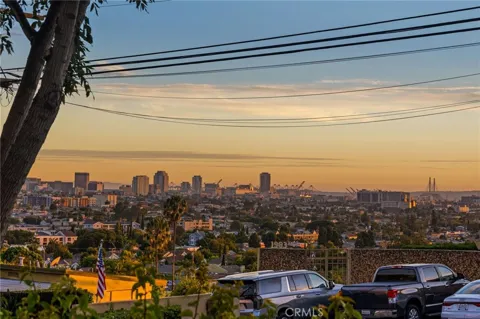
Signal Hill offers the unusual combination of small-city independence and complete immersion in a larger urban area. As an enclave entirely surrounded by Long Beach, it has its own city government, police, and parks while drawing on Long Beach for shopping, dining, culture, and transit. The hilltop itself is a defining amenity, with parks and viewpoints that look out over Long Beach, the harbor, and, on clear days, the San Gabriel Mountains and Catalina Island. The city's oil-era past gives it a distinctive character, and its modern form is a compact, mid-density residential and commercial community. It is a lifestyle for people who want local government and neighborhood identity at a small scale, with all the conveniences of Long Beach and greater Los Angeles immediately at hand.
Schools & Education
Signal Hill is served by the Long Beach Unified School District, one of California's largest and most established districts. Two elementary schools operate within the city limits — Signal Hill Elementary and Juan Bautista Alvarado Elementary — and students continue on to district middle and high schools elsewhere in Long Beach, where the system's magnet and specialized programs provide a wide range of options. This arrangement gives Signal Hill residents access to the scale and program breadth of a major urban district while keeping the youngest grades close to home. For families, the relevant consideration is the Long Beach Unified landscape as a whole, of which Signal Hill is a small but well-integrated part.
Getting Around
Signal Hill sits within the Long Beach road and transit network, close to Interstate 405 and Interstate 710, the region's key freeways. Downtown Los Angeles is roughly 20 miles to the north, and Long Beach Airport is immediately nearby, with Los Angeles International Airport and the ports of Long Beach and Los Angeles also within a short drive. Long Beach Transit provides local bus service, and the city's enclave position means residents are never far from Long Beach's commercial and employment centers. For a city of 2.2 square miles, Signal Hill's transportation story is one of exceptional connectivity — small in footprint, but plugged directly into one of the busiest corridors in Southern California.
Parks & Recreation
Signal Hill's recreation is anchored by its park system and, above all, by Hilltop Park, a 3.2-acre summit park with telescopes, public art, a mist tower, and panoramic views across Long Beach to the Santa Monica Mountains, downtown Los Angeles, the San Gabriel Mountains, and Catalina Island. The city maintains several neighborhood parks, including Reservoir Park, and a network of walking trails along the hillside. Because Signal Hill is surrounded by Long Beach, residents also have immediate access to that city's beaches, marinas, parks, and the Long Beach waterfront. The combination of a distinctive hilltop open space and the full recreation menu of a large coastal city makes Signal Hill unusually well served for its small size.
About Signal Hill
Frequently asked questions
What county is Signal Hill in?
Signal Hill is in Los Angeles County, California, and it is an enclave completely surrounded by the city of Long Beach. It sits roughly 20 miles south of downtown Los Angeles, part of the densely developed South Bay and Long Beach region.
What is Signal Hill known for?
Signal Hill is known for the oil boom that followed the June 1921 discovery of the Signal Hill oil field, which briefly made it one of the world's most productive fields and helped California produce a quarter of the world's oil. It is also known for its hilltop views over Long Beach and beyond.
What school district serves Signal Hill?
Signal Hill is served by the Long Beach Unified School District. Two elementary schools operate within the city limits — Signal Hill Elementary and Juan Bautista Alvarado Elementary — and students continue on to district middle and high schools in the Long Beach system.
How big is Signal Hill?
Signal Hill covers about 2.2 square miles and has a population of roughly 11,800. Despite being surrounded by Long Beach, it is an independent city with its own government, police, parks, and services.
Still have questions about Signal Hill?
Get in touchExplore the area